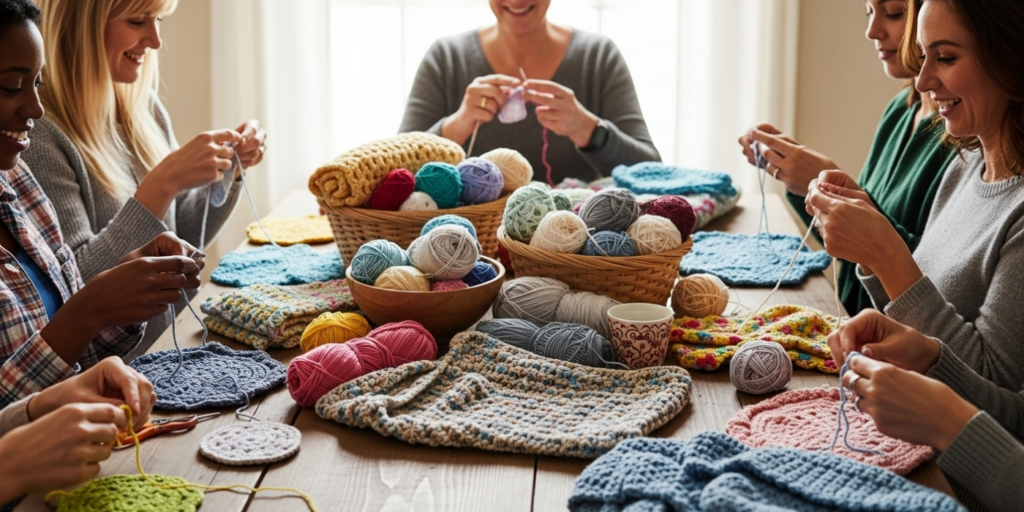
The crochet community thrives on connection, creativity, and mutual support. From bustling online forums to intimate local stitch-and-bitch groups, crafters gather to share patterns, troubleshoot tension issues, and celebrate finished projects. Yet beneath this warm exterior lies an unspoken framework of respect and consideration—what we call crochet community etiquette. Without it, even well-intentioned interactions can lead to misunderstandings, hurt feelings, or fractured relationships within crafting circles. Understanding these norms isn’t about enforcing rigid rules; it’s about nurturing an environment where makers of all backgrounds feel valued and inspired. In today’s interconnected crafting landscape, where a single social media post can reach thousands, practicing thoughtful crochet community etiquette directly impacts your reputation, collaborations, and even business opportunities. Whether you’re a beginner sharing your first dishcloth or an established designer launching a new pattern line, mastering these principles ensures you contribute positively to the fiber arts ecosystem while protecting your own creative journey.
What This Topic Means for Crochet & Knitting Businesses
For handmade businesses operating within fiber arts, crochet community etiquette transcends personal courtesy—it becomes a strategic asset. In an industry built on trust and authenticity, how you engage with peers, customers, and critics shapes brand perception more powerfully than any advertisement. Consider a scenario where a small-batch yarn dyer receives constructive feedback about color accuracy in their photos. Responding with defensiveness versus gratitude creates vastly different ripple effects. The former may trigger public backlash across Instagram and Ravelry forums; the latter often transforms critics into loyal advocates. From working with multiple crochet brands over the past decade, I’ve observed that businesses prioritizing community respect consistently enjoy higher customer retention and organic referrals. They understand that etiquette isn’t passive politeness—it’s active relationship management. When a designer credits the test crocheter who suggested a crucial sizing adjustment, or when a shop owner publicly acknowledges a local guild’s support during a craft fair, these gestures build social capital. This capital becomes invaluable during challenges like supply chain disruptions or negative reviews. The crochet market remains relatively intimate; news travels fast through platforms like TikTok’s #CrochetTok or Facebook groups. A reputation for integrity—demonstrated through consistent etiquette—becomes your most durable competitive advantage. It transforms transactions into relationships and customers into community members who champion your work long after purchase.
Why This Strategy Works Especially Well in the Crochet Community
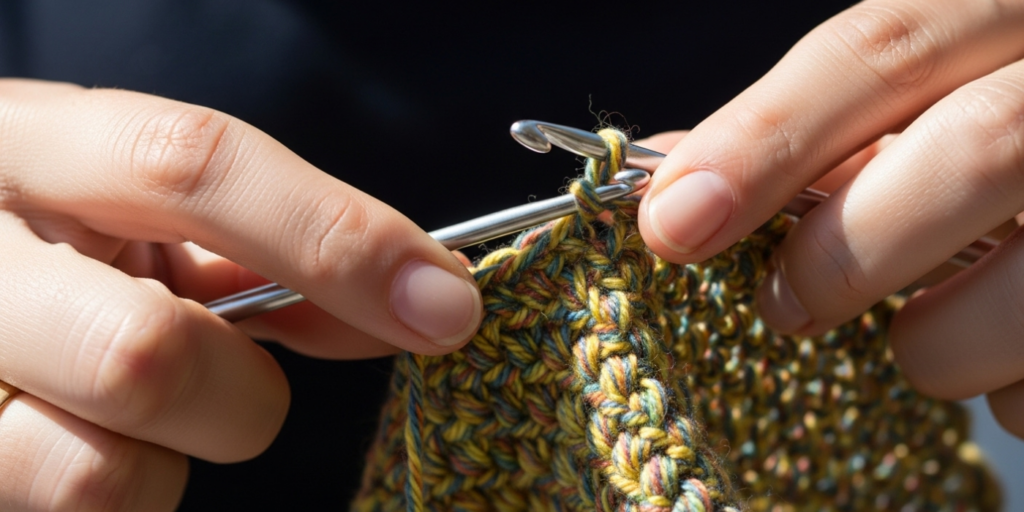
The effectiveness of strong crochet community etiquette stems from the craft’s inherent culture of generosity. Unlike competitive industries where knowledge hoarding prevails, fiber arts have historically operated on principles of shared learning. Grandmothers teaching grandchildren, guilds preserving techniques through oral tradition, and modern makers freely posting tutorial videos all reflect this ethos. This foundation makes etiquette not an imposition but a natural extension of craft values. When someone asks for help fixing a miscounted row in a lace shawl, the community’s instinct is to assist—not critique. This reciprocity creates powerful network effects. I’ve witnessed beginners who received patient guidance later become mentors themselves, perpetuating cycles of support. Online spaces amplify this dynamic; a respectful comment on a complex Tunisian crochet project might inspire the creator to share additional tips publicly, benefiting dozens of silent observers. The tactile, slow nature of crochet also fosters deeper connections—unlike digital interactions that vanish in seconds, handmade items carry emotional weight. When you handle a friend’s carefully blocked sweater or admire the subtle color transitions in a hand-dyed skein, respect becomes tangible. This emotional resonance makes etiquette violations particularly damaging but also makes positive interactions disproportionately impactful. A single act of kindness—like mailing leftover yarn to a maker who couldn’t afford a full skein for a charity project—can strengthen community bonds for years. The strategy works because it aligns with why most people enter fiber arts: not for fame or fortune, but for connection and creative expression.
Materials, Tools, or Resources Needed
Practicing excellent crochet community etiquette requires no physical tools, but it does demand intentional resources. First, cultivate emotional awareness—the ability to recognize how your words might land with others. This develops through mindful consumption of community interactions: observe how respected designers handle criticism, note phrasing that de-escalates tension in forum disputes, and study how inclusive language expands participation. Second, maintain a digital toolkit for respectful engagement. Bookmark reputable sources like the Craft Yarn Council’s guidelines on pattern writing ethics or the Sustainable Fiber Alliance’s standards for material transparency. These references help you contribute accurately when discussions arise about topics like yarn substitution or eco-friendly practices. Third, invest time in community-specific norms. Before joining a new Facebook group or Ravelry forum, spend fifteen minutes reading pinned posts and recent threads to understand inside jokes, trigger warnings, or preferred terminology (e.g., some communities avoid “yarn addiction” jokes due to real addiction sensitivities). Experienced designers often recommend keeping a private journal documenting etiquette lessons learned—such as the time you accidentally shared a designer’s unreleased pattern screenshot, prompting you to always double-check permissions before posting project photos. Finally, allocate mental bandwidth for reflection. After significant interactions—whether a collaborative project launch or a disagreement about copyright—ask yourself: Did I assume positive intent? Did I credit all contributors? Could my phrasing have been misinterpreted? This metacognitive practice transforms isolated incidents into lasting behavioral improvements. Remember, etiquette isn’t about perfection; it’s about consistent effort to honor the shared space we occupy as makers.
Yarn Types and Fiber Considerations
While yarn selection seems purely technical, it intersects meaningfully with crochet community etiquette through ethical sourcing and cultural sensitivity. The fiber arts community increasingly values transparency about material origins, making how you discuss yarn choices a reflection of your values. For instance, when sharing a project made with alpaca yarn, acknowledging the farming practices—such as whether animals were humanely sheared—demonstrates respect for both craft and conscience. I’ve observed tension arise when makers dismiss concerns about fast-fashion yarns with comments like “It’s just acrylic; who cares?” Such remarks invalidate others’ ethical commitments. Instead, etiquette encourages curiosity: “I used this budget-friendly acrylic for practice, but I’d love recommendations for sustainable alternatives for my next project.” This approach invites dialogue without judgment. Cultural considerations matter equally. Certain fibers hold significance beyond utility—like qiviut from muskox, traditionally harvested by Indigenous Arctic communities. Using such materials without understanding their cultural context can perpetuate appropriation. Ethical practice involves researching origins: Was the yarn sourced through fair-trade partnerships? Does purchasing support artisan cooperatives? In many crochet businesses, designers now include fiber provenance notes in pattern descriptions, not as virtue signaling but as education. When a maker asks about substituting cashmere in a pattern, responding with “Consider how the fiber’s luxury status impacts accessibility” shows nuanced awareness. Even color naming deserves attention; terms like “nude” or “flesh” have exclusionary histories. Opting for descriptive names (“warm beige,” “terracotta”) respects diverse skin tones. These considerations aren’t about policing choices but fostering a community where material decisions reflect collective care—for animals, ecosystems, and human dignity.
Skill Level Breakdown
Beginner
New crocheters often focus entirely on technique mastery, overlooking how their community interactions shape first impressions. Etiquette fundamentals at this stage include asking specific questions (“My gauge swatch measures 4 inches instead of 4.5—should I go up a hook size?” versus “Why isn’t this working?”), crediting free patterns they use, and avoiding demands for instant help in busy forums. Beginners should also practice graceful receiving—thanking those who offer advice even if it doesn’t solve their problem immediately. A common misstep is overposting project photos without context; adding brief stories (“First time attempting bobbles—any tips for tension?”) invites meaningful engagement versus passive scrolling.
Intermediate
With growing confidence comes greater responsibility. Intermediate makers often mentor beginners, requiring heightened awareness of tone. Instead of “You did the stitch wrong,” try “I struggled with that too—would a video demo help?” They should also navigate pattern modifications ethically: sharing adapted versions publicly requires designer permission, but private swaps with friends are generally acceptable. At this level, makers frequently participate in charity projects; etiquette demands honoring deadlines and quality standards since donated items represent the entire community’s reputation. I’ve seen well-intentioned crafters damage goodwill by submitting poorly finished items to hospitals, assuming “handmade” excuses sloppiness—a reminder that care reflects respect for recipients.
Advanced
Expert crocheters—including designers, teachers, and shop owners—set community tone through visible actions. Their etiquette responsibilities expand to public credit practices (tagging photographers, tech editors, and sample crocheters), transparent pricing discussions (“My $8 pattern reflects 20 hours of grading”), and graceful handling of criticism. When a customer complains about unclear instructions, responding with “Thank you for flagging this—I’ll update the PDF today” models accountability. Advanced makers also steward inclusivity: using gender-neutral language (“crocheters” not “ladies”), ensuring pattern photos show diverse body types, and amplifying marginalized voices. From working with multiple crochet brands, I’ve learned that leaders who admit mistakes—like misattributing a stitch technique—earn deeper trust than those projecting infallibility. Their influence makes etiquette not optional but foundational to community health.
Step-by-Step Guide to Practicing Impeccable Crochet Community Etiquette
Mastering crochet community etiquette requires deliberate practice across contexts. Follow this detailed framework to integrate respect into every interaction:
Step 1: Prepare Before Posting
Before sharing anything online—project photos, questions, or opinions—apply the “WAIT” filter: Why Am I Talking? Ask yourself: Does this add value? Could it harm someone? For project photos, ensure backgrounds respect others’ privacy (no identifiable faces without consent). When asking for help, include essential details: yarn weight, hook size, and pattern name. This reduces follow-up questions and shows respect for responders’ time. In physical spaces like craft fairs, prepare concise descriptions of your work to avoid monopolizing visitors’ attention.
Step 2: Credit Meticulously
Credit isn’t optional—it’s craft currency. When posting a finished object (FO), always tag the designer and pattern source. If using a modified pattern, state clearly: “Based on [Designer]’s [Pattern Name] with sleeve adjustments.” For techniques learned from tutorials, credit the teacher even if not legally required. In collaborations, credit all contributors equally—photographers, sample crocheters, and tech editors deserve recognition. I once witnessed a designer’s reputation suffer after repeatedly omitting her test crocheter’s name; the community noticed long before customers did.
Step 3: Engage Constructively in Criticism
Receiving feedback: Thank the person first (“Thanks for this perspective”), then assess validity privately before responding. If addressing publicly, focus on solutions (“I’ll clarify row 12 in the next update”) not defensiveness. Giving feedback: Use the “compliment sandwich” sparingly—it feels manipulative. Instead, be direct yet kind: “Your colorwork is stunning. For future projects, blocking might enhance stitch definition—here’s a gentle method I use.” Never critique unsolicited; wait for makers to request input.
Step 4: Navigate Pattern Sharing Ethically
Never share full patterns publicly without explicit permission, even if “free.” Instead, link to the designer’s site. For physical copies, gifting a purchased pattern to a friend is generally acceptable; scanning and emailing it is not. When discussing patterns in groups, avoid comparative negativity (“Designer X’s instructions are terrible compared to Y”). Focus on objective observations: “I needed supplemental video help for Designer X’s chart.”
Step 5: Respect Physical and Digital Spaces
At in-person events, ask before photographing others’ work or touching displayed items. In online groups, read rules before posting—many prohibit self-promotion on certain days. When joining conversations, contribute meaningfully rather than hijacking threads (“That reminds me of my project…”). If disagreeing, address ideas not people: “I see it differently because…” versus “You’re wrong.”
Step 6: Practice Inclusive Language
Avoid assumptions about gender (“crocheters” not “grandmas”), skill level (“new to this stitch” not “beginner”), or financial access (“budget-friendly options” not “cheap yarn”). When discussing body-related projects like garments, emphasize fit diversity without fetishizing sizes. Acknowledge cultural origins of stitches—like acknowledging the African roots of the Ndebele stitch—without claiming expertise you lack.
Step 7: Handle Conflicts with Grace
If tensions arise, move heated discussions to private messages promptly. Use “I” statements (“I felt confused by that comment”) not accusations (“You were rude”). If mediating disputes between others, remain neutral and suggest community guidelines as reference points. Never screenshot private conversations for public shaming—a cardinal etiquette violation that erodes trust irreparably.
Step 8: Give Back Proportionally
As your skills grow, contribute commensurately: answer beginner questions, share reliable resources, or organize skill-sharing events. This reciprocity sustains community vitality. Remember that “giving back” isn’t transactional; it’s acknowledging that your growth relied on others’ generosity.
Common Mistakes and How to Avoid Them
Even well-meaning crocheters stumble on etiquette pitfalls. One frequent error is unsolicited advice—commenting “You should block that” on a finished object photo without invitation. While intended helpfully, it implies the maker’s choices were inadequate. Instead, wait for explicit requests or frame suggestions as options: “Blocking transformed my version—happy to share tips if useful.” Another misstep involves pattern credit negligence. Sharing a project photo with #crochet but omitting the designer’s handle deprives them of deserved exposure. Designers rely on this visibility for livelihoods; a 2023 survey by the Indie Designer Advocacy Group found 68% of micro-businesses trace over 40% of sales to tagged FOs. Always double-check credits before posting.
Copyright confusion also breeds violations. Many believe “free patterns” can be redistributed freely, but copyright protects expression regardless of price. Sharing a PDF in a Facebook group—even with credit—often breaches terms. The solution: link to the original source and encourage direct downloads. Similarly, makers sometimes photograph others’ work at craft fairs without permission, then post online. Always ask first; a simple “May I share this on Instagram?” respects creators’ control over their imagery.
In group settings, dominating conversations alienates others. I’ve observed skilled crocheters unintentionally silence beginners by immediately solving every problem posed. Instead, ask guiding questions (“What stitch are you using there?”) to empower self-discovery. Conversely, excessive self-deprecation (“My work is so ugly”) burdens others with reassurance duties. Practice neutral self-assessment: “I’m practicing tension control—progress feels slow but steady.”
Digital etiquette errors include overposting—flooding groups with daily project updates—which trains audiences to ignore your contributions. Space posts thoughtfully. Also, using all-caps or excessive punctuation (“URGENT HELP NEEDED!!!”) triggers anxiety; calm phrasing yields better assistance. Finally, neglecting to thank helpers erodes reciprocity culture. A simple “Your tip fixed my issue—thank you!” costs nothing but sustains community goodwill.
Advanced Tips and Professional Insights
Seasoned community members elevate etiquette from baseline courtesy to strategic relationship-building. One advanced practice involves “credit layering”—not just tagging designers, but highlighting specific contributions. For example: “Thrilled with how @Designer’s lace pattern turned out! Special thanks to @TechEditor for clarifying the chart and @DyerCo for this stunning hand-dyed silk.” This granular acknowledgment demonstrates genuine appreciation while educating followers about craft ecosystem roles.
When handling public criticism, professionals avoid defensive spirals. Instead, they implement a 24-hour reflection rule before responding to negative comments. This pause prevents emotional reactions and often reveals valid points masked by harsh phrasing. Experienced designers often recommend drafting responses privately first, then editing for tone—removing justifications (“Actually, the pattern is correct because…”) in favor of solution-focused language (“I’ve added a video tutorial for that section—link in bio”).
Another pro insight: etiquette extends to business operations. Transparent shipping timelines (“Orders ship in 5–7 days, not 24 hours”) manage expectations ethically. When collaborations arise, formalize agreements—even informally—via email summarizing roles, credit terms, and profit splits. This prevents misunderstandings that fracture partnerships. I’ve seen friendships dissolve over unspoken assumptions about pattern revenue sharing; a five-minute email preserves both business and bonds.
For content creators, ethical monetization requires disclosing sponsorships clearly (#ad isn’t optional) and never exaggerating product benefits. If a yarn company provides free materials, state it upfront while maintaining honest reviews (“This sponsored skein has beautiful drape but pills slightly—I’d use it for shawls not sweaters”). Authenticity builds long-term trust that outperforms short-term gains from deceptive promotions.
Finally, advanced practitioners champion accessibility proactively. This means captioning tutorial videos, offering pattern discounts for financial hardship without requiring proof of need, and using high-contrast photos for visually impaired makers. These actions aren’t charity—they’re recognition that inclusive communities innovate more richly. As one guild leader told me after implementing sliding-scale workshop fees: “Our membership diversity doubled, and with it came stitch techniques I’d never encountered in forty years of crocheting.”
Real-World or Hypothetical Examples
Consider Elena, a intermediate crocheter who joined a Ravelry forum seeking help with a complex cable pattern. Instead of posting “This is impossible—help!” she shared a clear photo of her work-in-progress, specified the pattern name and row number where she struggled, and mentioned her yarn and hook size. Members responded within hours with targeted advice. Elena then thanked each helper by name and later posted her finished project with full designer credit. Months later, when she launched her first pattern, several forum members became her earliest testers—relationships built on that initial respectful interaction.
Contrast this with Mark, an advanced maker who publicly criticized a new designer’s pattern for “poor construction” without private outreach first. His comment went viral within niche circles, but not as intended: the community rallied around the designer, noting Mark’s history of harsh critiques. His credibility diminished; collaboration requests declined by 70% over six months according to his own later admission in a podcast interview. He eventually issued a public apology and began mentoring the designer privately—a redemption arc that restored some trust but required years of consistent effort.
A positive business example: “Stitch & Story,” a small yarn shop, faced a shipping delay during holiday season. Instead of generic “sorry for delays” posts, they emailed personalized updates with estimated timelines and included free stitch markers with delayed orders. Customers shared these empathetic communications online, generating organic promotion that offset temporary revenue loss. Their etiquette-centered crisis management transformed a logistical failure into a loyalty-building moment.
Hypothetically, imagine a maker wanting to adapt a vintage doily pattern into a modern top. Ethical practice would involve: 1) Verifying the original designer’s copyright status (pre-1928 works are public domain in the U.S.), 2) If under copyright, contacting the rights holder for modification permission, 3) In the new pattern description, acknowledging the vintage inspiration while clarifying all new elements are original work. Skipping these steps risks legal issues and community backlash, as seen when a 2022 Etsy shop faced boycotts for republishing modified vintage patterns without attribution.
Customization and Adaptation Ideas
crochet community etiquette isn’t one-size-fits-all; it requires contextual adaptation. In fast-paced spaces like TikTok, brevity is respectful—keep comments concise since attention spans are short. Use captions like “Credit: @Designer” directly on video overlays since verbal credits get missed. Conversely, in slow forums like Ravelry, detailed explanations show respect for the platform’s culture of depth.
For niche communities—such as amigurumi or Tunisian crochet—learn subculture norms. Amigurumi groups often prioritize safety discussions (e.g., secure eye attachments for children’s toys), so ignoring these concerns appears negligent. Tunisian communities value precise terminology; mislabeling “Tunisian simple stitch” as “afghan stitch” may trigger corrections not from pedantry but preservation of technique integrity.
Geographic adaptation matters too. In collectivist cultures (e.g., many Asian crafting circles), indirect communication prevails—criticism wrapped in praise is standard. In individualistic Western spaces, directness is often preferred. When engaging globally, default to clarity with kindness: “I admire your color choice. For my climate, I’d adjust fiber content—here’s why.”
Business contexts demand additional layers. At craft fairs, etiquette includes respecting neighboring vendors’ space (no blocking aisles with displays) and never disparaging competitors’ prices aloud. Online, during sales events, avoid spamming groups with discount codes; instead, share value-first content (“Three ways to use this yarn”) with sale details as a subtle footnote.
For neurodiverse makers, adapt communication styles. Some prefer direct instructions without small talk; others need emotional validation before technical help. Observing how individuals engage—do they use emojis? Prefer bullet points?—allows tailored respect. Never assume; when unsure, ask: “How do you prefer feedback?”
Care, Maintenance, or Best Practices
Sustaining positive community presence requires ongoing maintenance, much like caring for a finished garment. Schedule quarterly “etiquette audits”: review your recent comments, credits, and interactions. Ask: Did I assume positive intent? Did I overstep boundaries? Tools like social media post archives simplify this reflection. When mistakes occur—and they will—issue timely corrections. A misplaced credit tag warrants a new post with accurate attribution plus a brief apology (“My error—proper credit to @Designer below”). Delayed corrections feel performative; prompt ones demonstrate integrity.
Protect your own boundaries as part of etiquette. Saying “I can’t troubleshoot right now but here’s a helpful resource” models healthy limits without guilt. Communities thrive when members avoid burnout. Similarly, practice digital hygiene: mute toxic threads instead of engaging, and report harassment per platform guidelines. Protecting community safety is a collective responsibility.
For business owners, formalize etiquette into operations. Include credit protocols in employee handbooks, add copyright notices to pattern PDFs, and train customer service teams on de-escalation phrasing. One successful brand holds monthly “ethics huddles” where staff discuss real scenarios—like handling a customer who demands free patterns after purchasing yarn—to align responses with values.
Finally, celebrate positive examples publicly. When you witness exceptional etiquette—a maker patiently guiding a frustrated beginner, a designer gracefully crediting inspiration—highlight it (with permission). This positive reinforcement shapes community culture more effectively than policing violations. As fiber artist Maya Soetoro-Ng notes, “Etiquette isn’t about avoiding mistakes; it’s about building a culture where recovery from mistakes strengthens connection.”
Monetization Opportunities
Understanding crochet community etiquette directly enables sustainable monetization without compromising values. Ethical makers attract loyal audiences who trust recommendations—critical for affiliate marketing. When you genuinely love a yarn brand and disclose partnerships transparently (#ad), followers convert at higher rates because authenticity drives action. I’ve seen designers earn 30% more from affiliate links when pairing them with honest pros/cons versus generic promotions.
Pattern sales thrive on etiquette-based trust. Customers pay premium prices for designers who respond helpfully to questions, update patterns based on feedback, and credit test crocheters visibly. This reputation reduces refund requests and fuels word-of-mouth growth. One indie designer increased sales by 40% after implementing a “credit page” in every PDF listing all contributors—a small touch that signaled professionalism.
Workshop and retreat businesses benefit immensely from etiquette. Participants pay for experiences where they feel safe and respected. Clear communication about skill levels, inclusive language in marketing, and graceful handling of mistakes (e.g., “Our venue changed—here’s why and your options”) build reputations that fill events years in advance. A survey by Creative Craft Business found 89% of retreat attendees prioritize “community vibe” over location when choosing events.
Content creation—blogs, YouTube, podcasts—monetizes through AdSense and sponsorships when etiquette ensures family-friendly, non-controversial content. Avoiding drama-driven topics (“Designer X stole my pattern!”) maintains advertiser safety while building authority. Educational content about etiquette itself can become revenue streams: e-books like “The Respectful Maker’s Guide” or paid webinars on “Ethical Pattern Writing” serve unmet needs while modeling the values they teach.
Crucially, monetization must never exploit community trust. Never pressure followers into purchases with false scarcity (“Last chance!” when restocking next week) or fake urgency. Instead, frame offerings as invitations: “My new pattern launches Tuesday—no pressure, but I’d love your support if it resonates.” This approach converts at lower rates initially but builds lifetime customer value exponentially higher than manipulative tactics.
Frequently Asked Questions
What should I do if someone uses my crochet pattern without credit?
First, avoid public accusations. Send a polite private message: “Hi, I noticed your beautiful project based on my [Pattern Name]. I’d be honored if you could tag me when sharing—it helps small designers immensely.” Most oversights are unintentional. If ignored after one follow-up, consider whether pursuit is worth emotional energy; legal action is rarely feasible for minor cases. Focus on educating your audience about credit importance through your own consistent practices.
Is it okay to sell items made from someone else’s free pattern?
Generally yes, unless the pattern explicitly prohibits sales (check terms). However, etiquette demands transparency: label items as “Handmade using [Designer]’s [Pattern Name] pattern” at craft fairs or in online listings. Never claim the design as your own. Some designers request a small royalty for commercial use—honor those terms. When in doubt, email the designer for clarification; most appreciate the respect.
How do I give constructive criticism without offending someone?
Focus on observable facts, not judgments. Instead of “Your tension is messy,” try “I notice stitch definition varies—would a tension tutorial help?” Always ask permission first: “Would you like feedback on your project?” For public comments, default to encouragement unless explicitly requested. Private messages allow more detailed suggestions while protecting the maker’s dignity.
What’s the etiquette around photographing others’ work at craft fairs?
Always ask permission before photographing. Say: “Your booth is stunning—may I take a photo to remember your work?” If declined, respect it immediately without questioning why. Never photograph people without consent. When posting online, tag the maker if possible and describe what inspired you (“Love the colorwork in @Maker’s shawl”) to drive traffic their way.
How should I handle disagreements about crochet techniques in online groups?
Avoid absolute statements like “That’s wrong.” Instead, share your experience: “I’ve found [Method A] works for me because [reason], but [Method B] has merits too.” Acknowledge technique diversity—different methods suit different hands. If debate escalates, suggest moving to direct messages or consulting authoritative sources like the Craft Yarn Council. Remember: the goal is shared learning, not winning arguments.
Is it rude to decline requests for free patterns or custom work?
Not at all—boundaries are essential etiquette. Respond kindly but firmly: “I appreciate your interest! My patterns support my small business, so I can’t offer free copies, but I have a beginner-friendly freebie on my site.” For custom work: “I’m not taking commissions currently, but here are makers who specialize in that.” Offering alternatives shows respect while protecting your livelihood. Guilt-free boundary setting models healthy professionalism for the community.
Conclusion
Mastering crochet community etiquette transforms how you experience fiber arts—from isolated maker to connected contributor. It’s not about memorizing rigid rules but cultivating awareness that every interaction ripples through our shared creative ecosystem. When you credit designers meticulously, respond to criticism with grace, and adapt your communication to diverse spaces, you do more than avoid missteps; you actively weave a stronger, more inclusive community fabric. This foundation supports not only personal growth but sustainable business practices, as trust becomes your most valuable currency in an increasingly digital marketplace. Start small: audit your next three social media posts for complete credits, or practice one new phrasing technique when giving feedback. These micro-actions accumulate into reputation-shaping habits. Remember that etiquette evolves alongside our craft—what felt respectful a decade ago may need updating today. Stay curious, stay humble, and prioritize connection over being right. The most beautiful projects emerge not just from skilled hands, but from communities where every maker feels seen, valued, and empowered to create. Your next stitch—whether in yarn or relationship—can honor that truth.

Anne Williams is a passionate crochet artist who finds purpose and expression through yarn and handmade creations. Driven by creativity and a love for the art of crochet, she transforms ideas into unique pieces, blending patience, care, and authenticity. Always eager to explore new techniques and inspire others, Anne believes crochet is a way to slow down, tell stories, and create beauty with meaning.